SCULPTURE






PAINT



ENGRAVING / PRINT





PARCOURS
ABOUT
Vers la ligne d’horizon
Dessinateur, peintre, sculpteur, c’est la figure sacrée du démiurge, selon la pensée grecque
antique, que semble tracer au fil de ses réalisations, Loïc Trévelot. En grec ancien, ce mot
signifiait à l’origine « ouvrier habile », plus tard « créateur », « producteur ». Dans le
Timée de Platon, le terme prit le sens de créateur du monde visible, et, chez les auteurs
grecs chrétiens, Dieu le Créateur de toutes choses.
Sans mystifier la démarche, le masque mythique du démiurge convient, à mes yeux, au visage de
l’œuvre de Loïc Trévelot, entre artisanat, art et création, puisqu’elle relie toute une tradition
esthétique du créateur comme intermédiaire entre le visible et l’invisible qu’il fait sortir, venir,
advenir au monde et toute une révolution conceptuelle du statut même de l’artiste selon la théorie
de l’Art Brut que peut en formuler Jean Dubuffet dans L’homme du commun à l’ouvrage. Tel un
simple ouvrier moderne, mais également tel l’Artisan des artisans antique, le dieu Héphaïstos, c’est
l’activité créative qui guide le regard et la main de Loïc Trévelot : il trace, il colore, il forge,
il fabrique, il fait, et comme l’exprime le dicton de sagesse latine, fabricando fit faber, «
c’est en forgeant que l’on devient forgeron »…
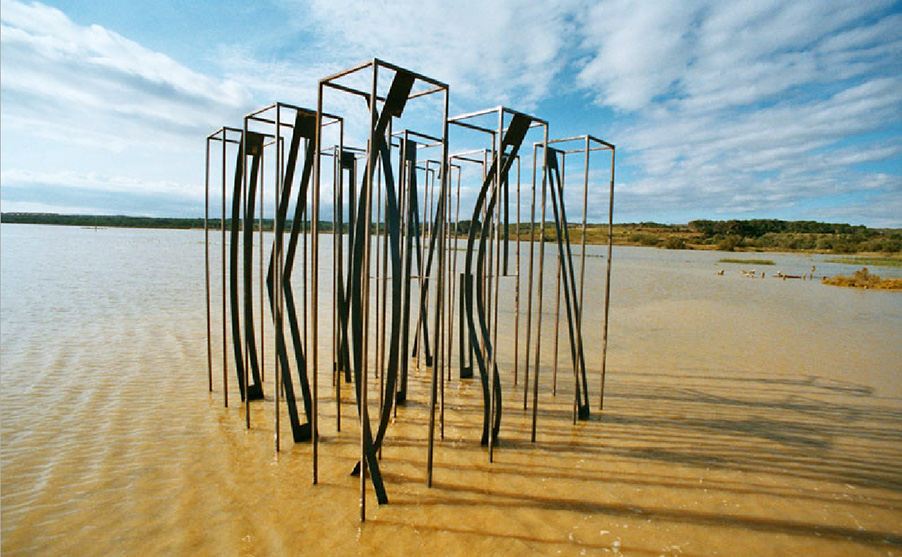
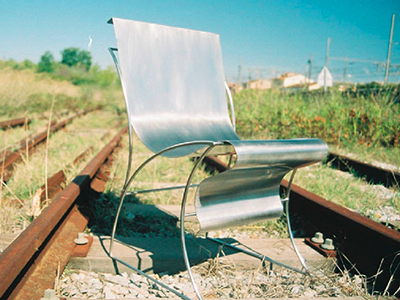
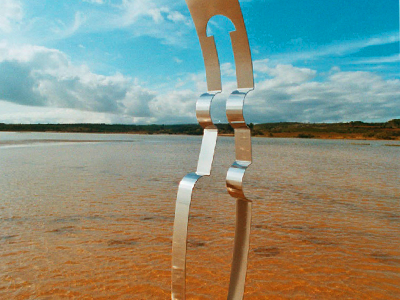
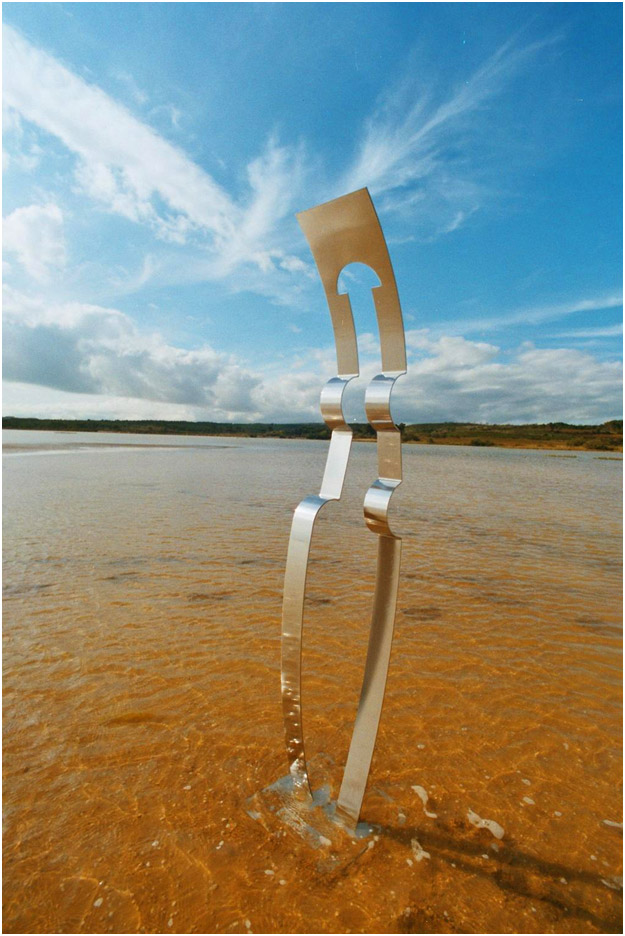
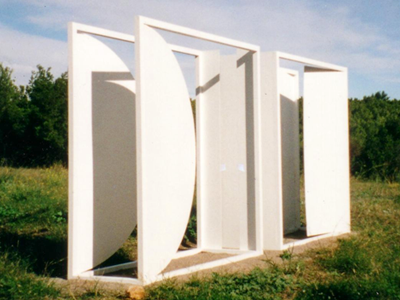
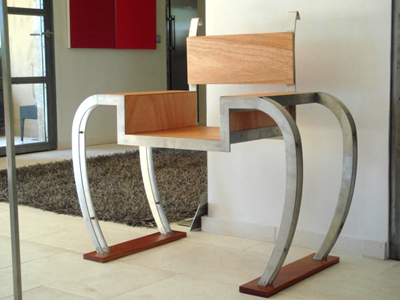
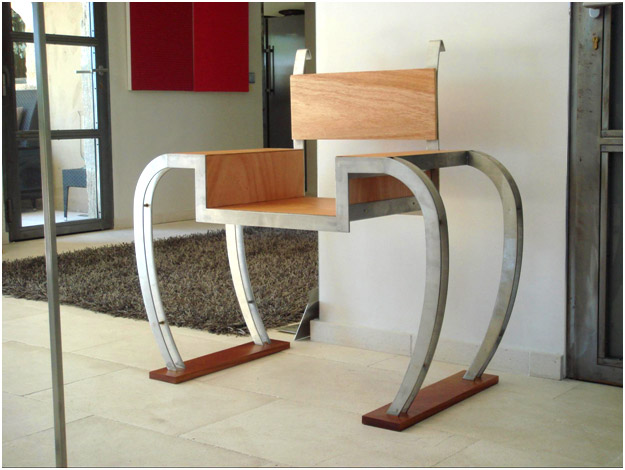
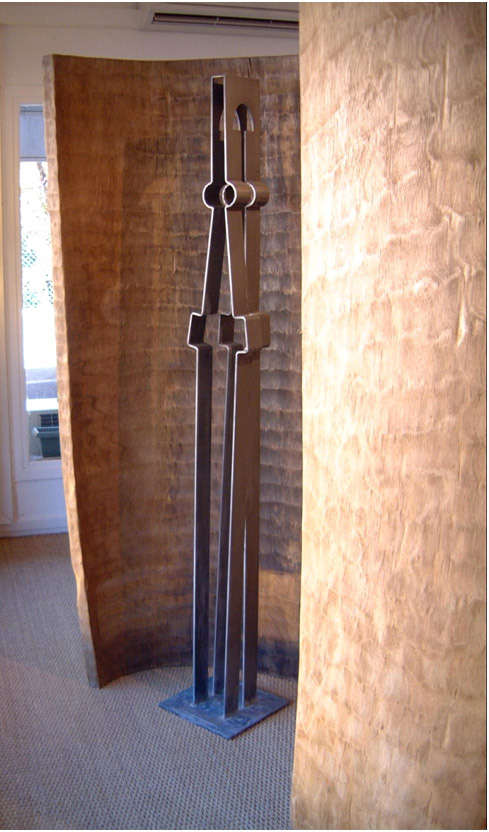
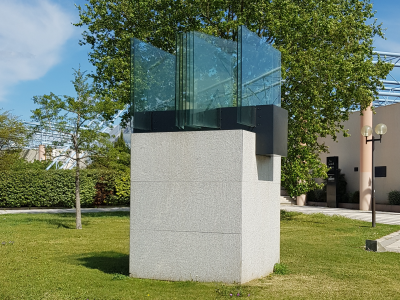
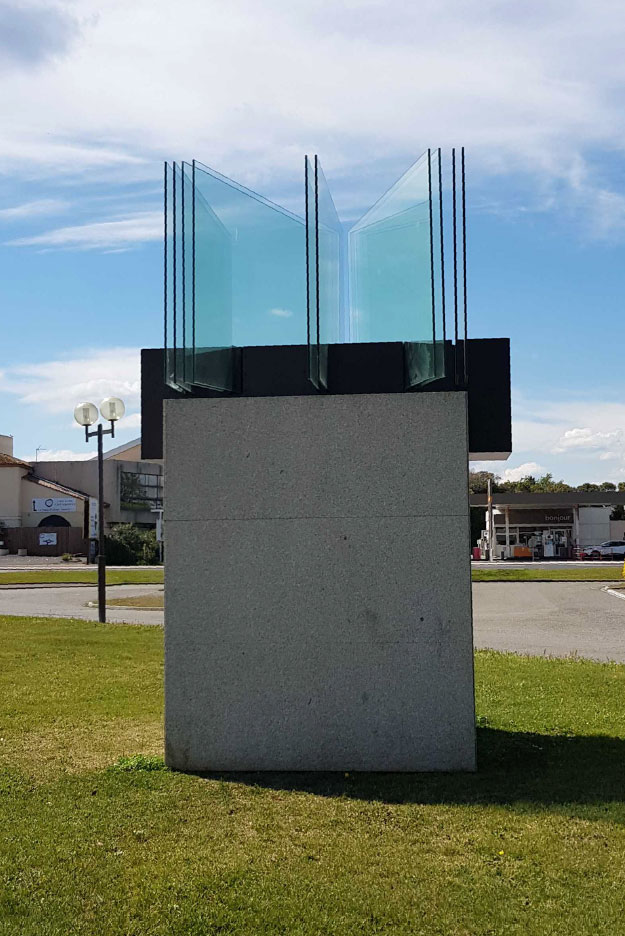
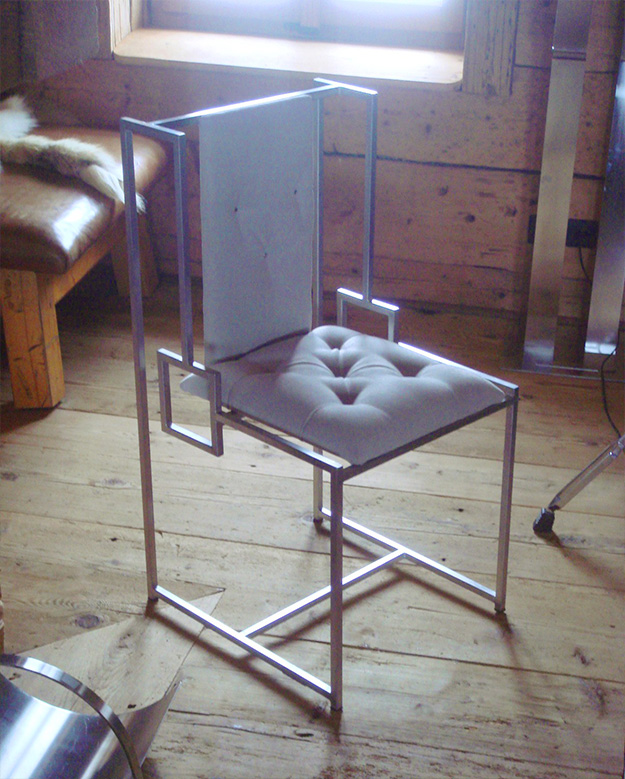
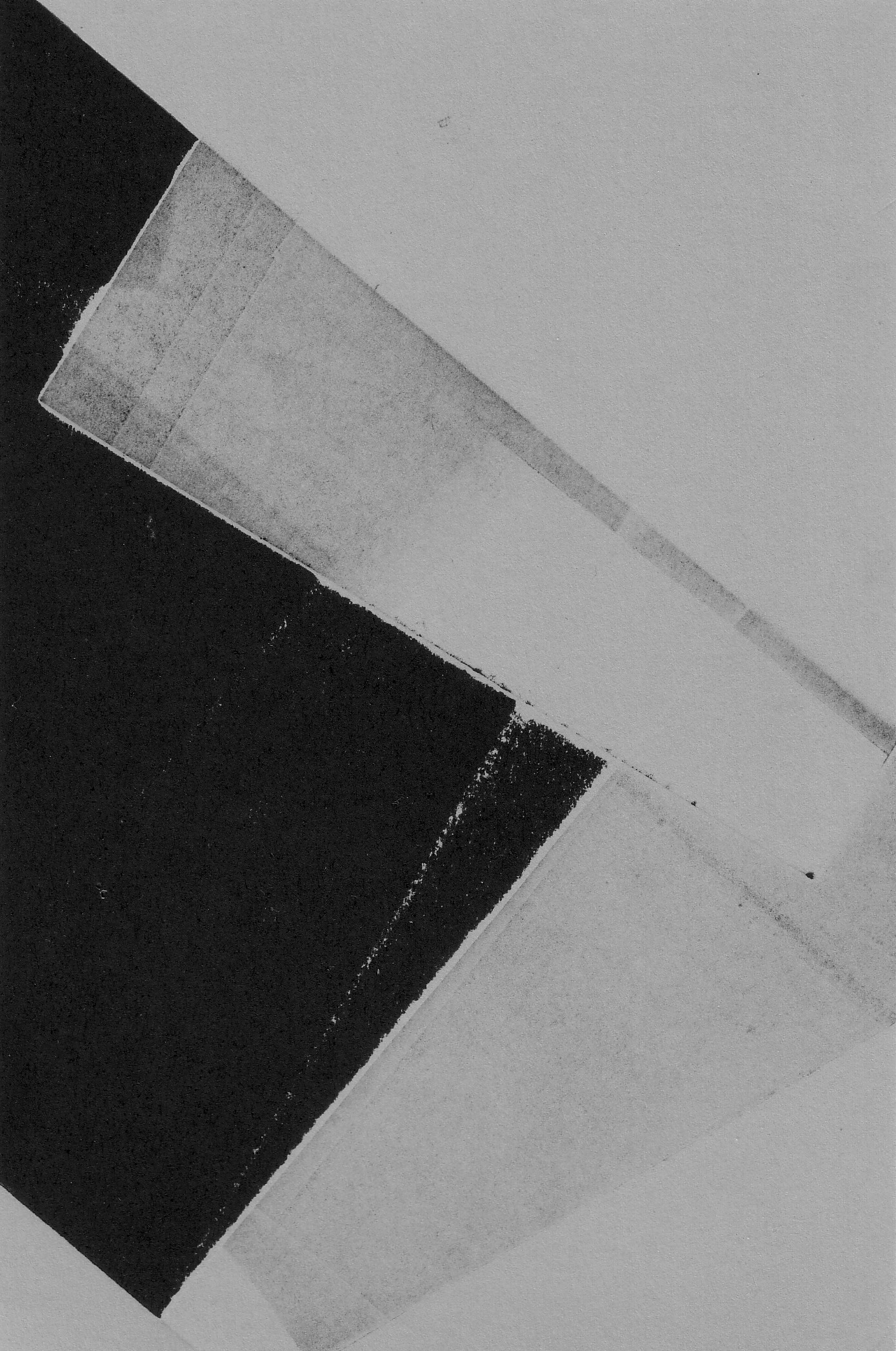
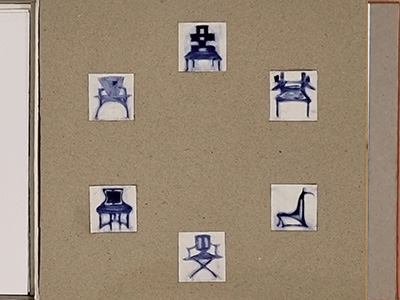
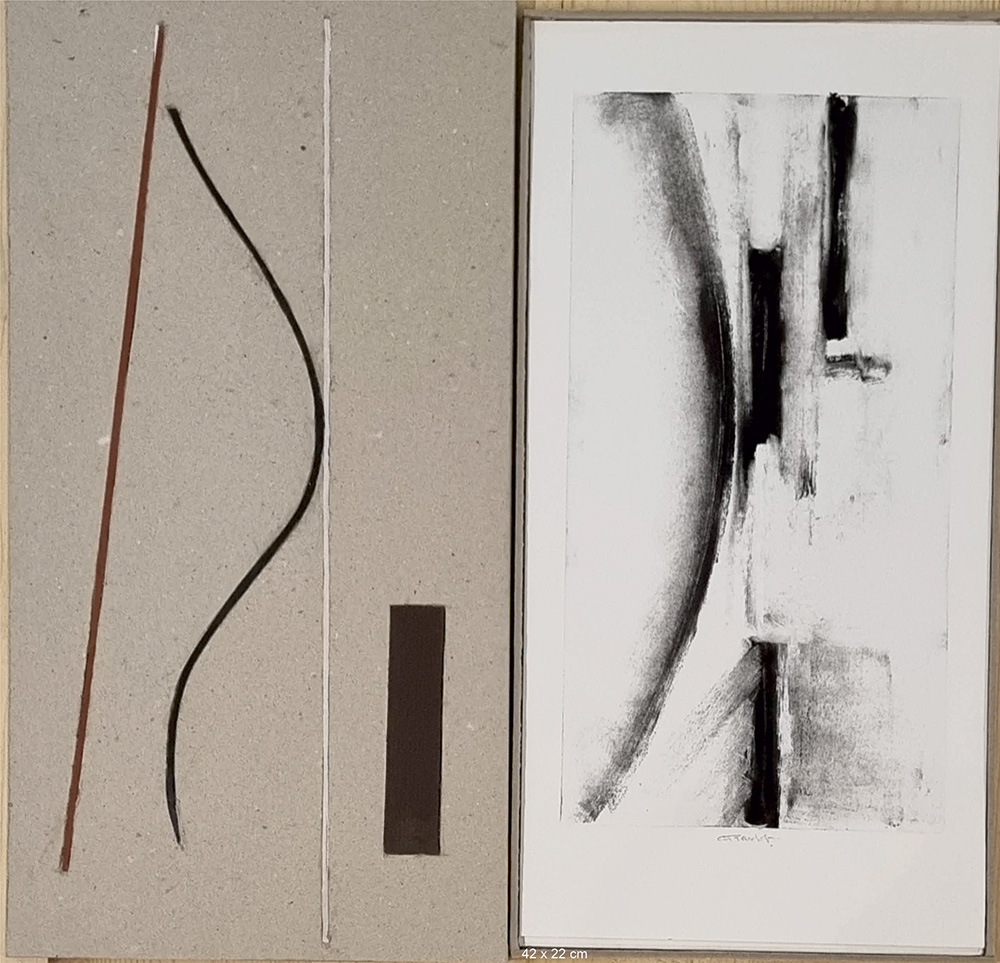
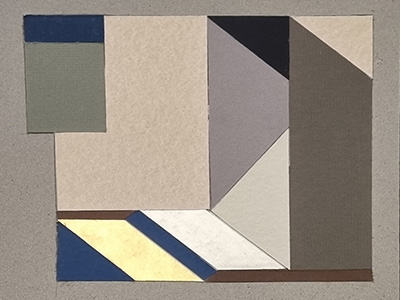
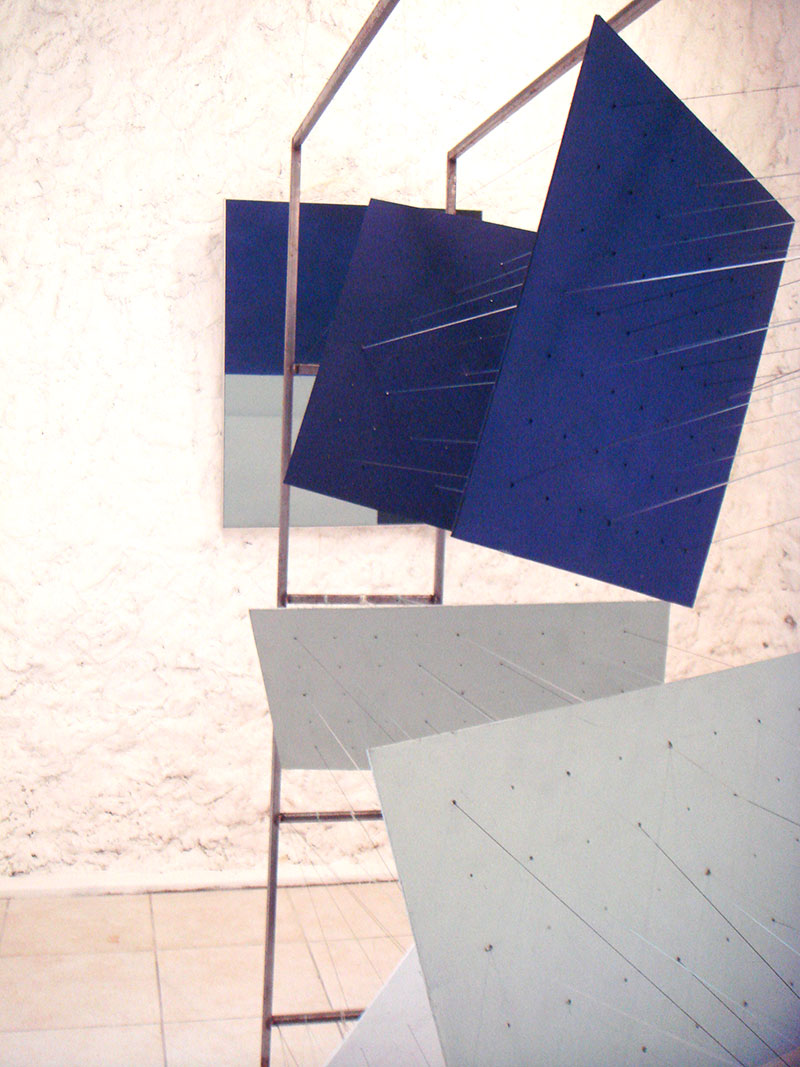
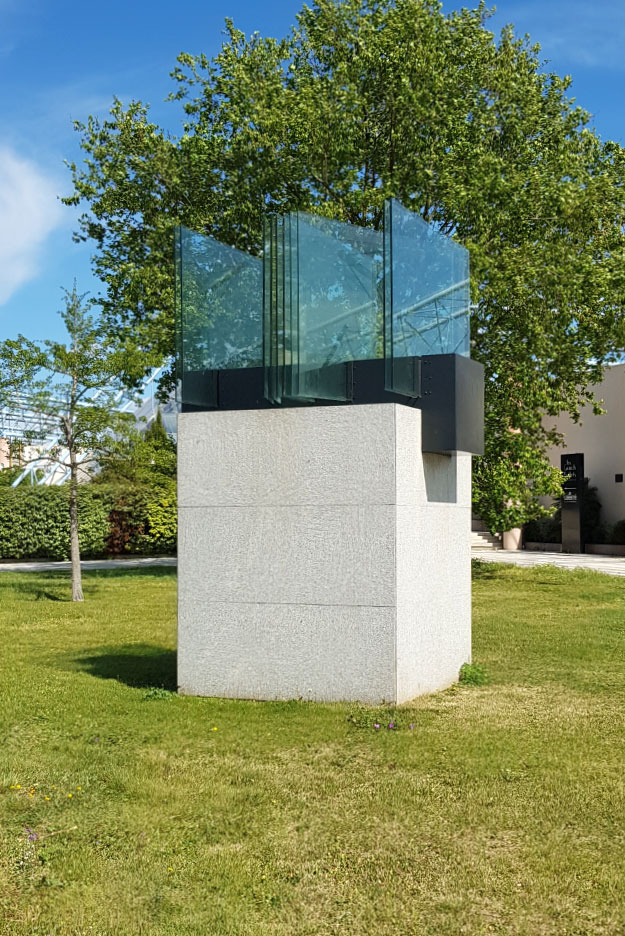
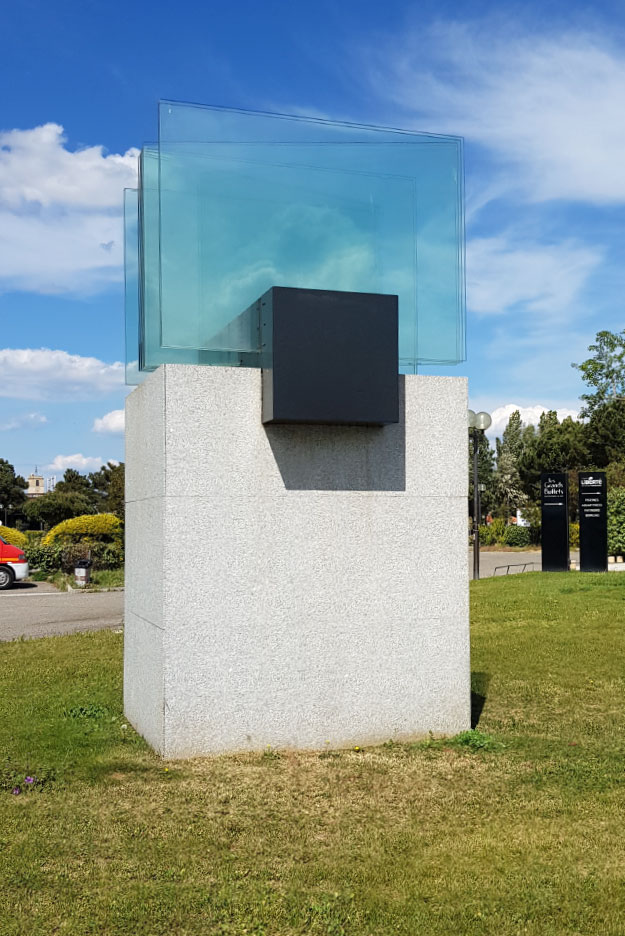
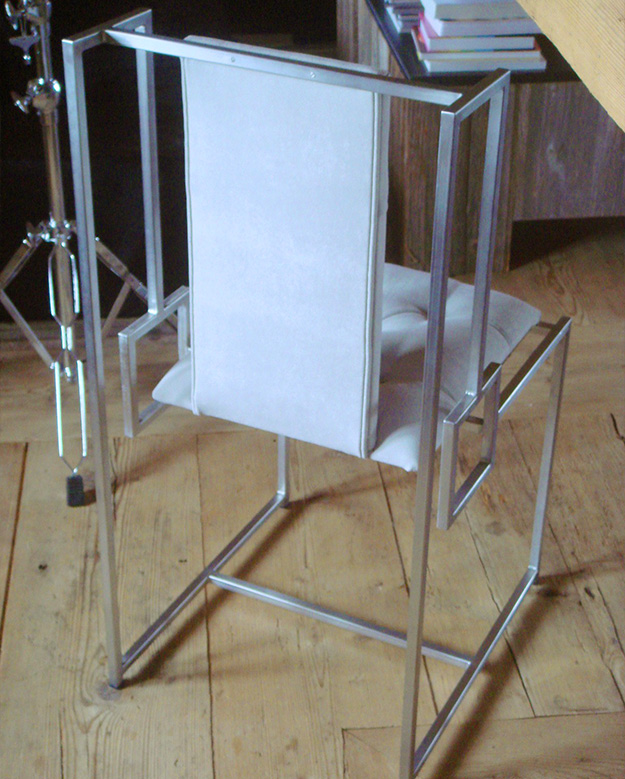
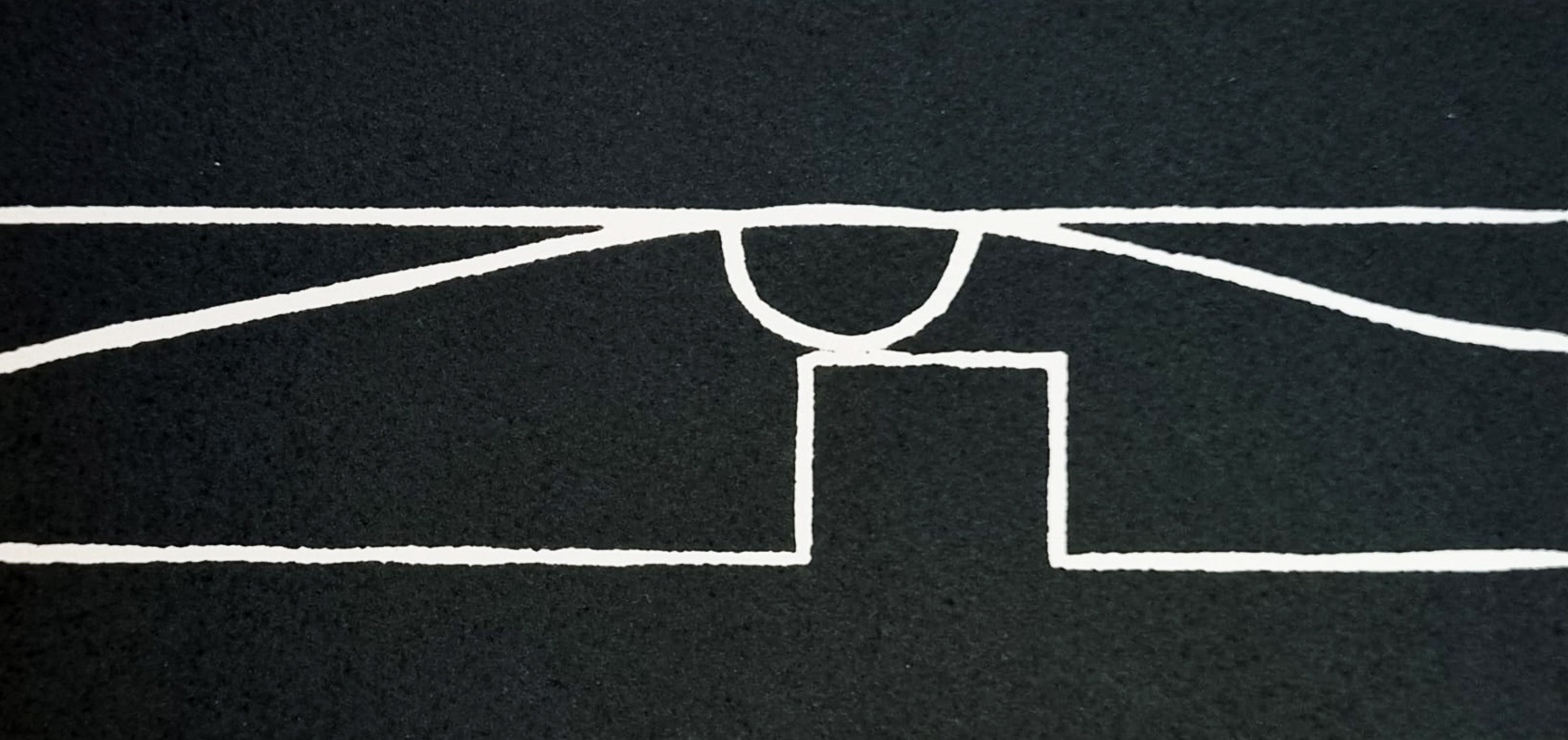
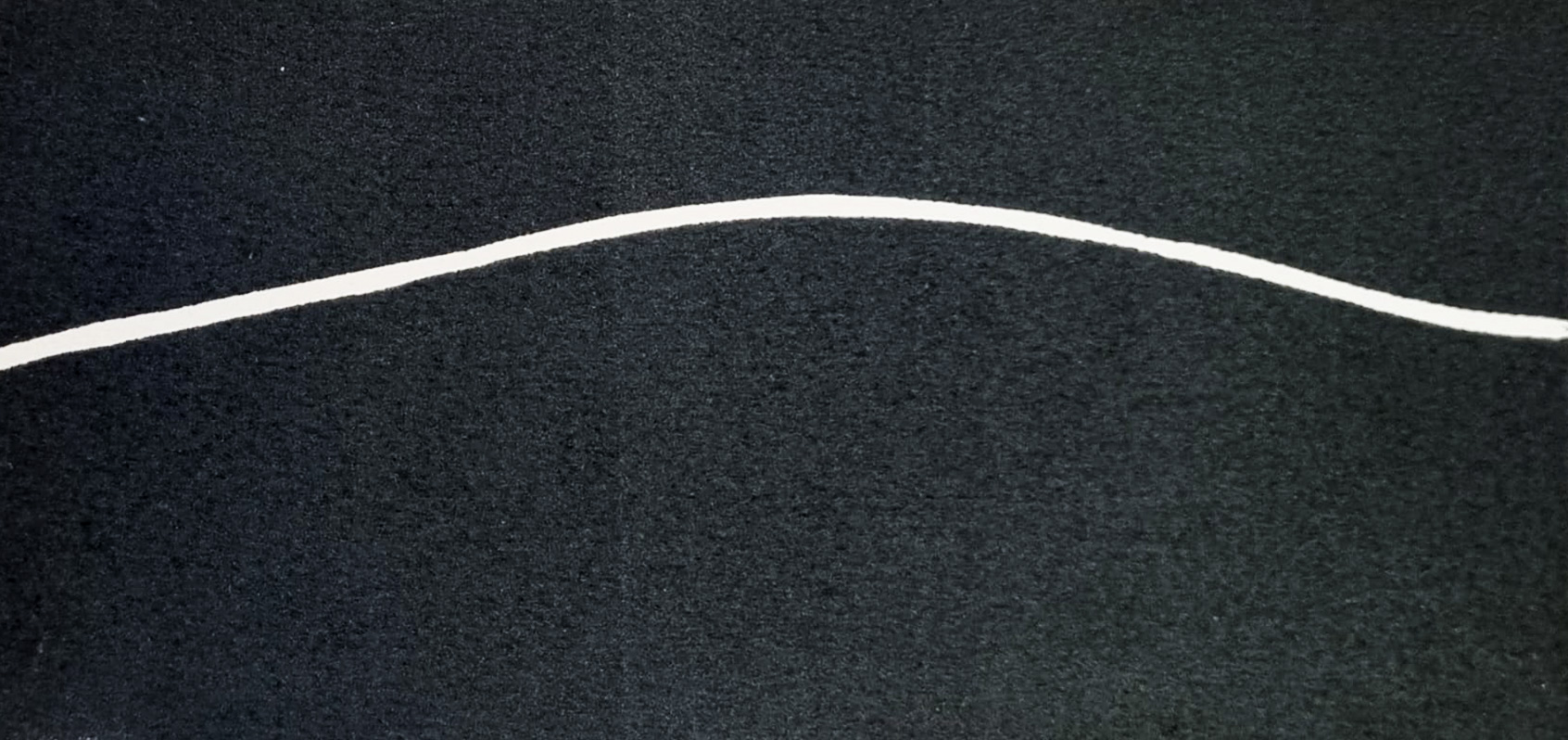
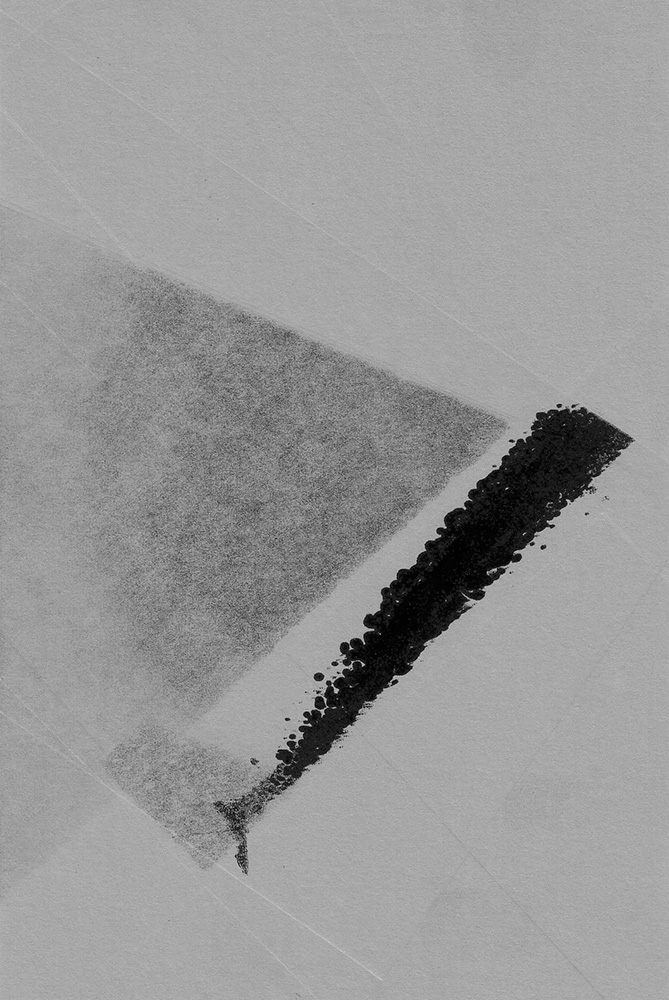
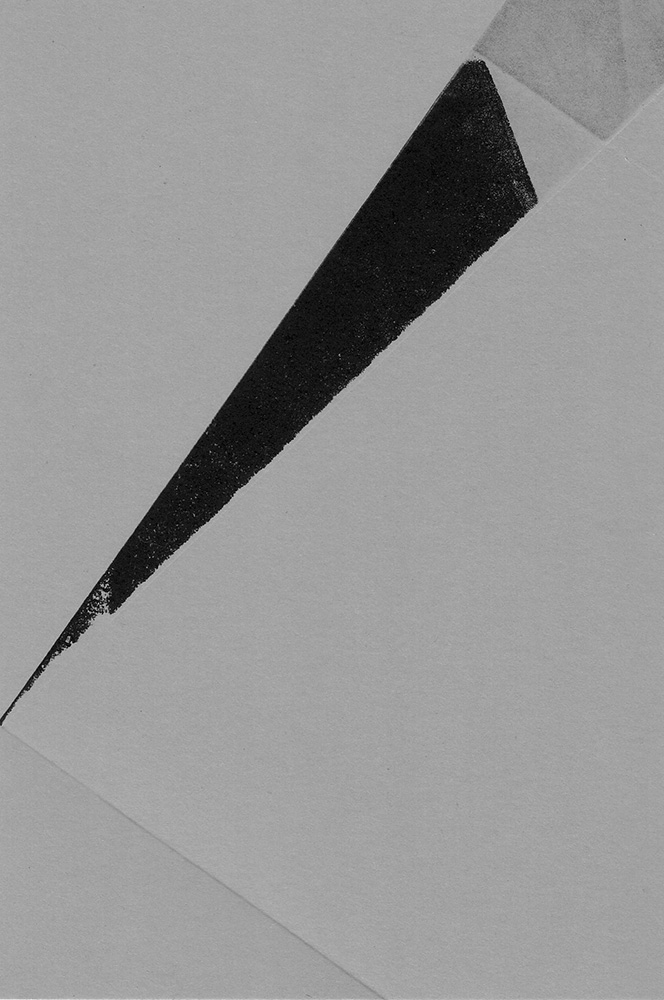
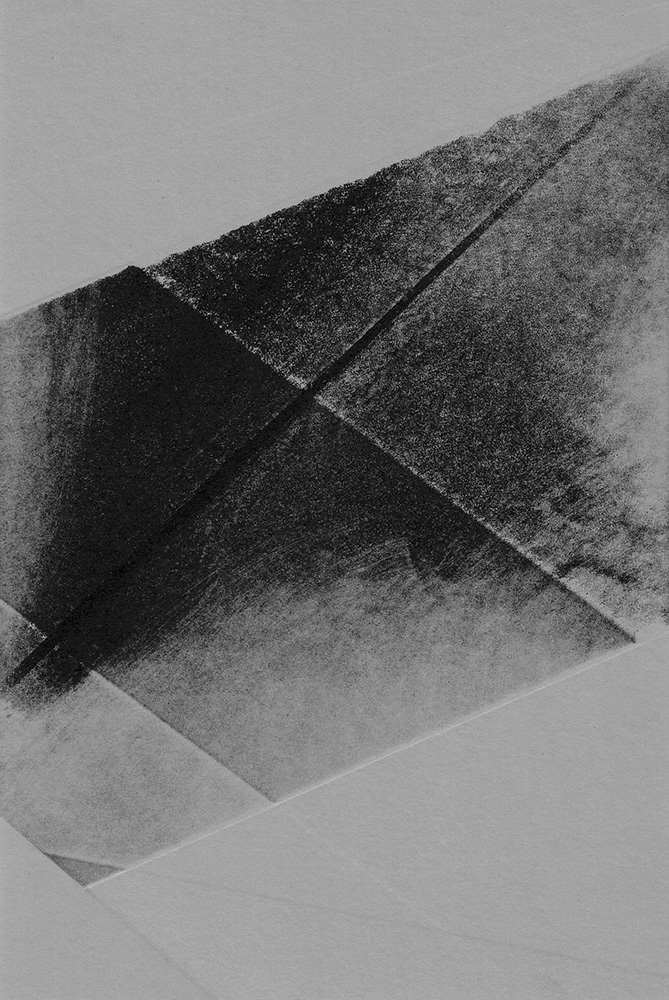
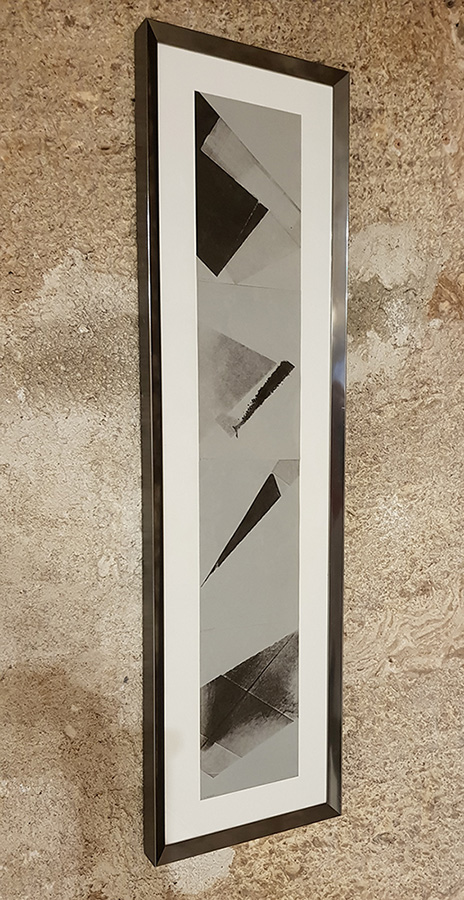
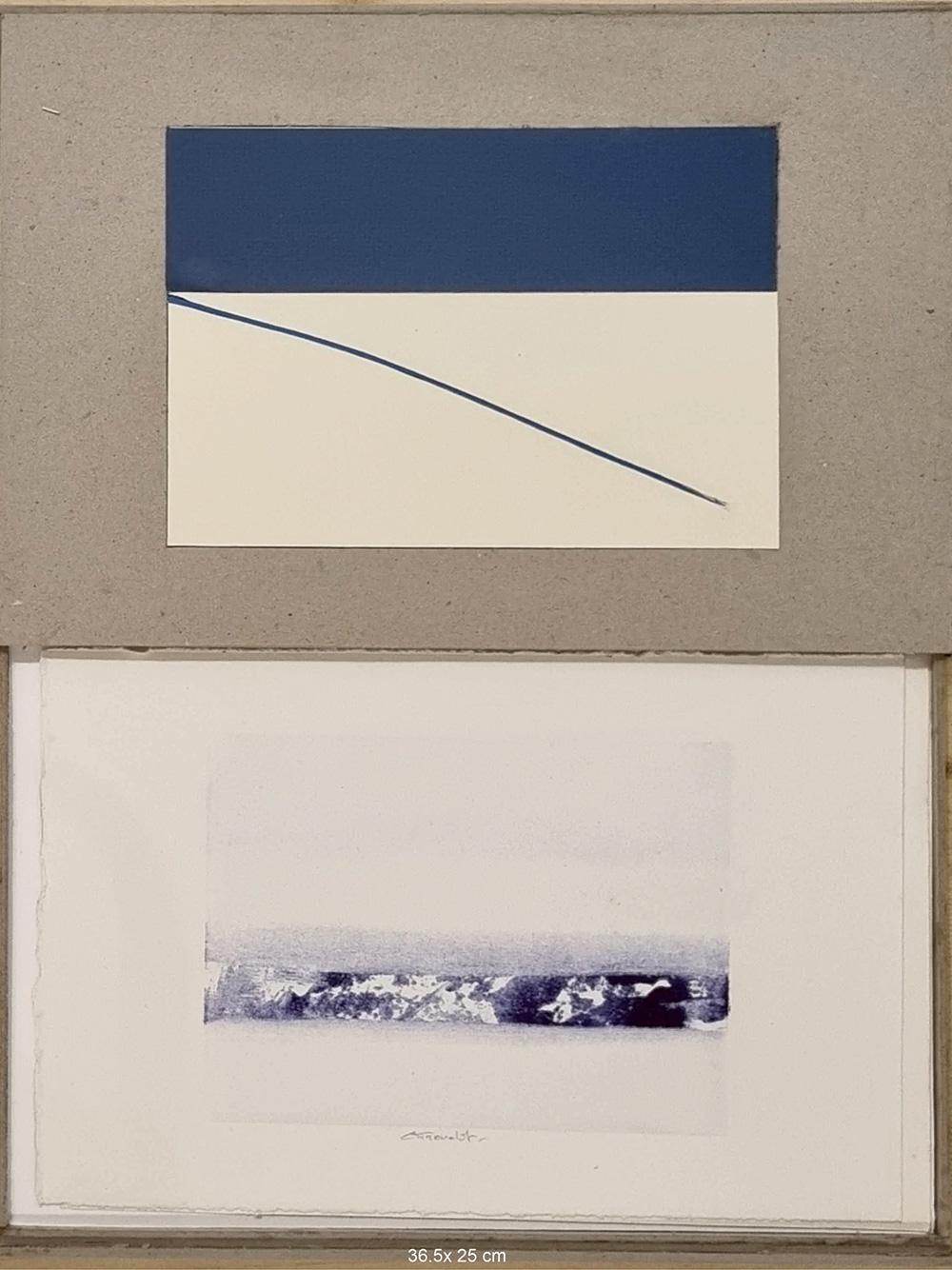
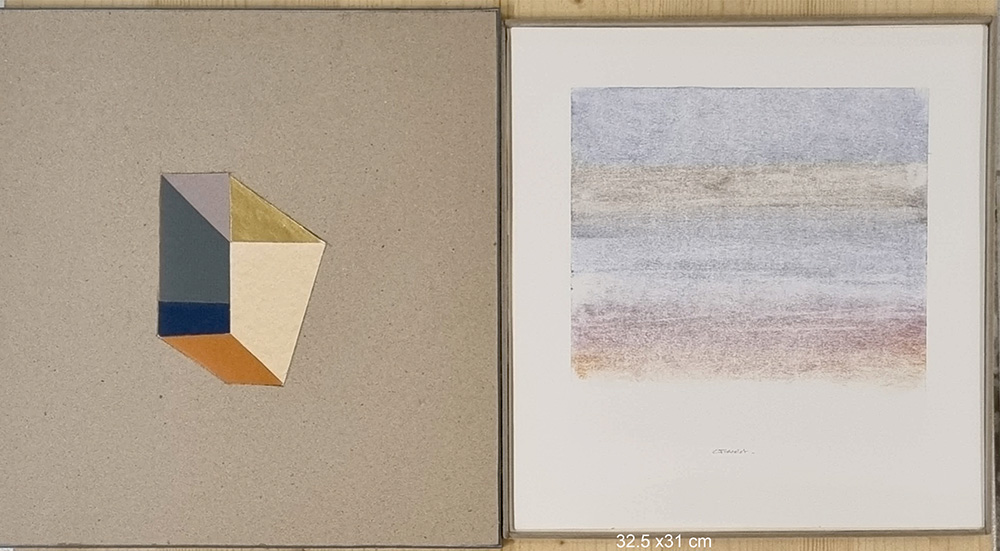
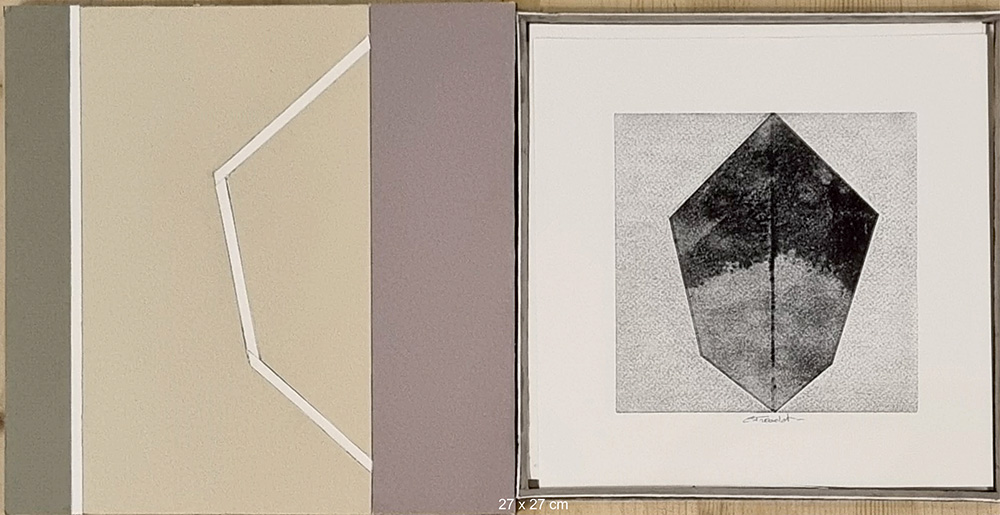
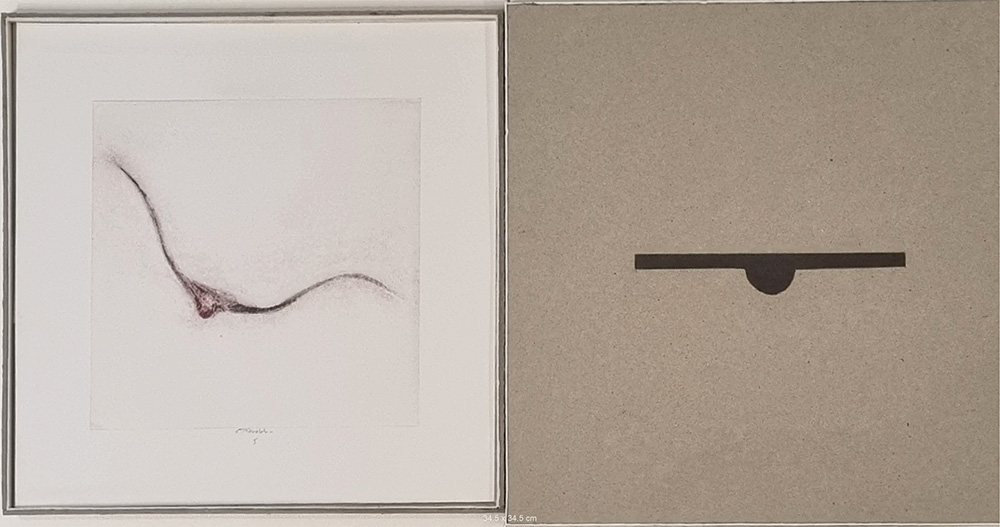
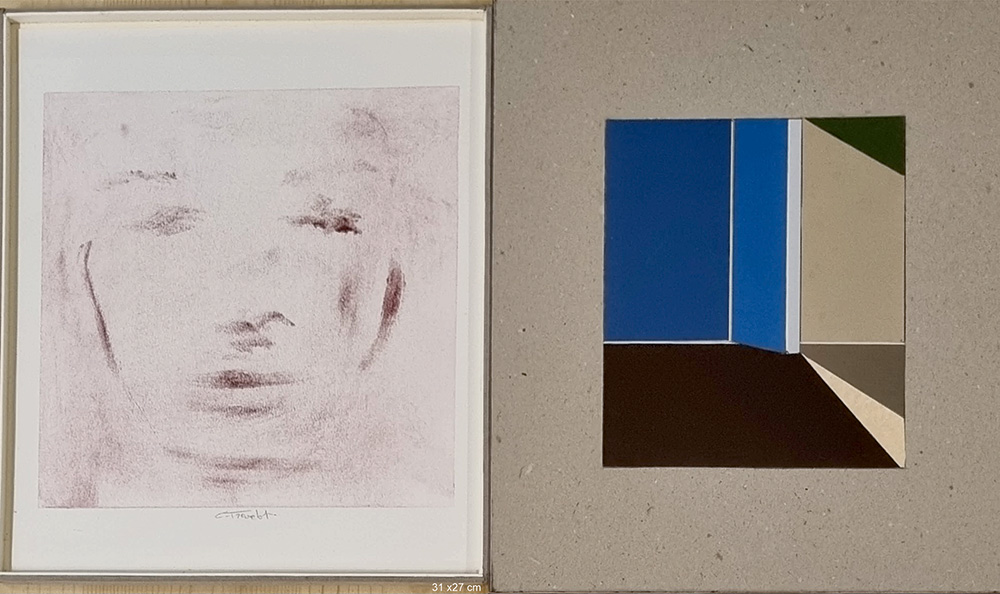
Dès lors, il y a au fil des travaux, des dessins, des sérigraphies, des monotypes, des chaises, des
fauteuils, des volumes, des sculptures, et des toiles, tout un alphabet personnel propre au langage
singulier qui prend vie, partant de l’informe d’un Chaos d’énergies débridées pour mieux trouver la
forme d’une Image, une esquisse élaborée, d’où peut se partager une véritable expérience sensorielle
pour les sensations de tous et de chacun, l’esthétique étant essentiellement, pour reprendre le
concept de Jacques Rancière, « partage du sensible », faisant tant appel aux cinq sens qu’aux sens
en tant que directions, sensations, orientations, cette signification précisément à trouver à la
fréquentation des œuvres qui ne résiderait ni dans une norme imposée, ni dans un idéal de
beauté.
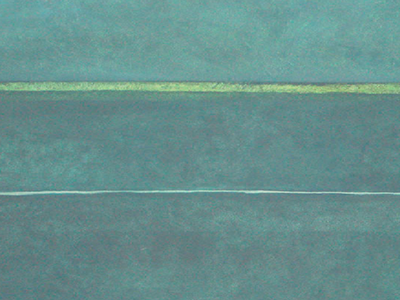
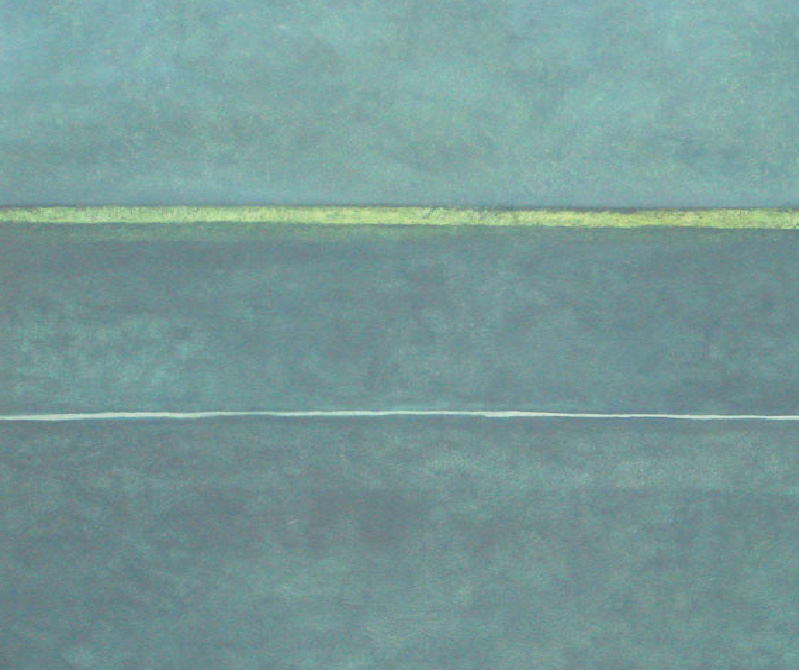
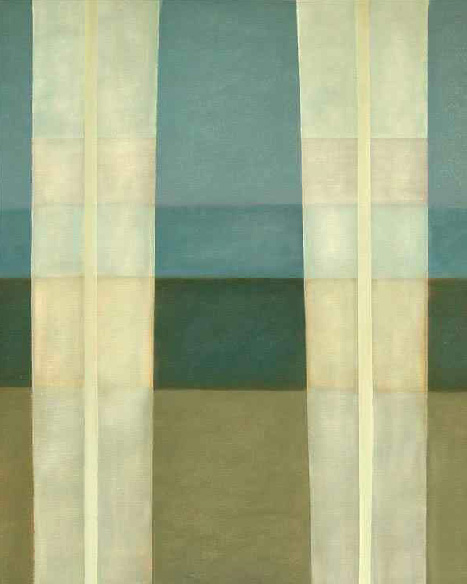
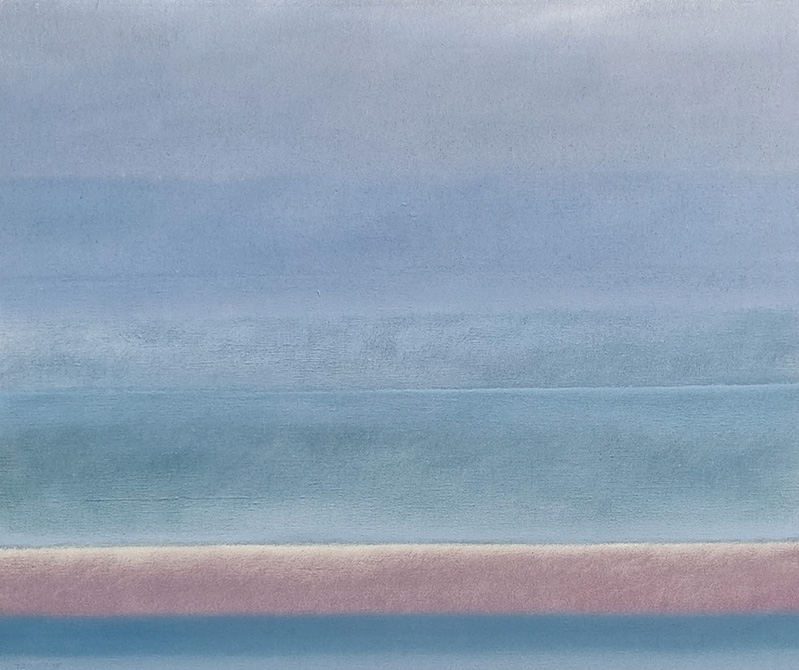
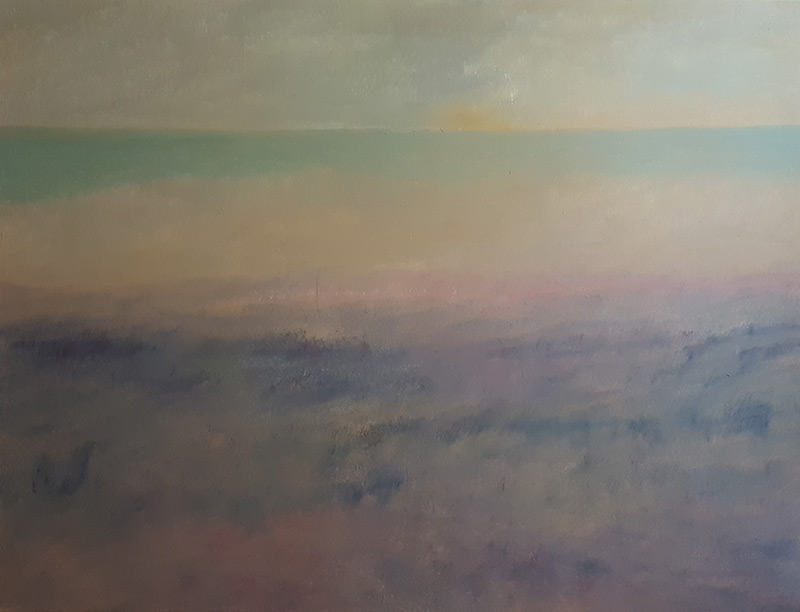
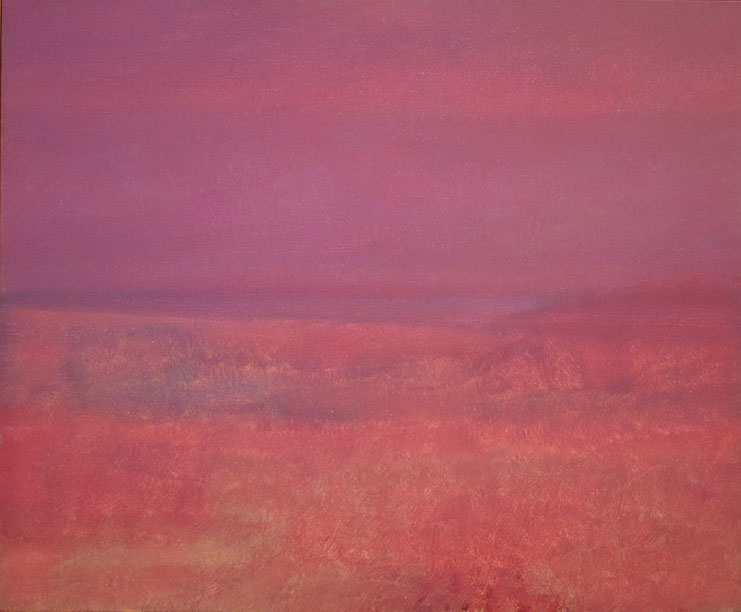
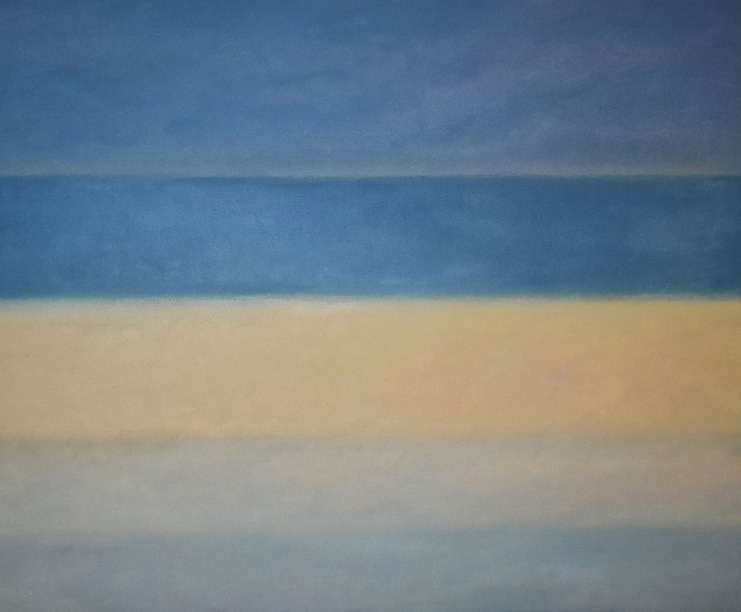
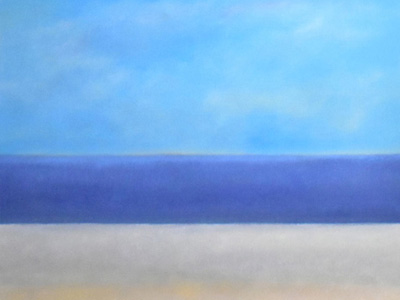
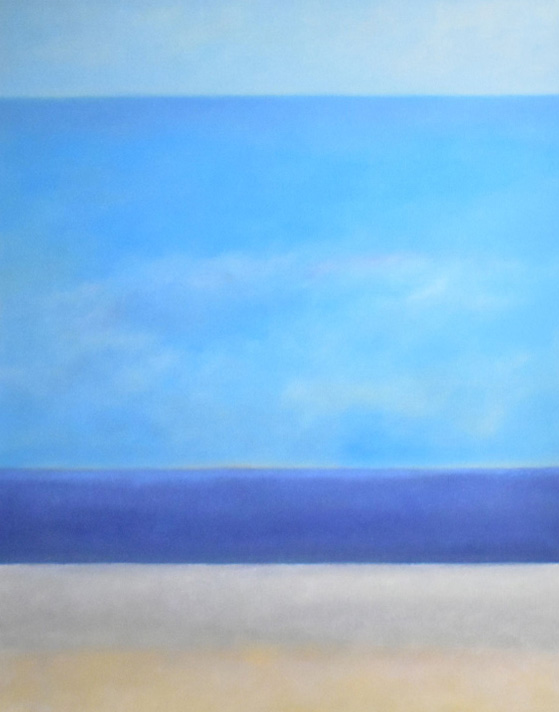
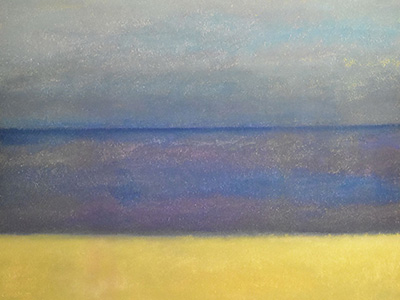
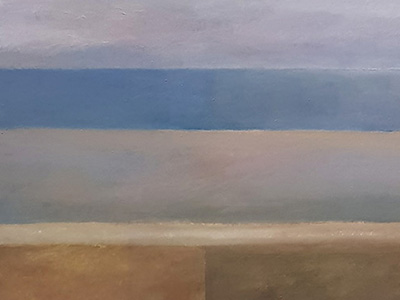
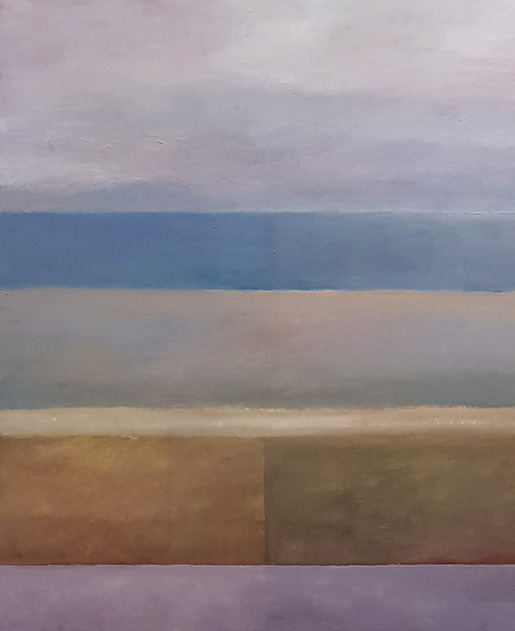
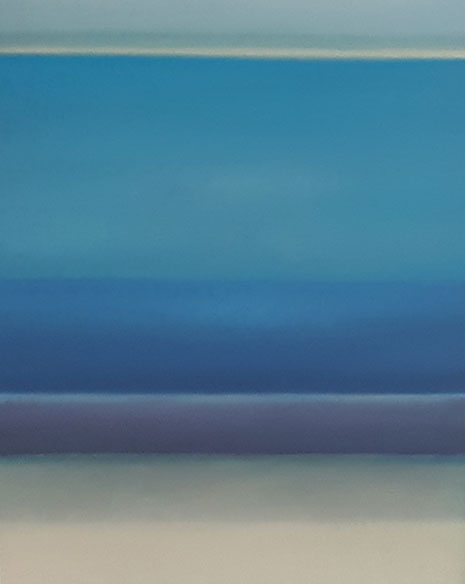
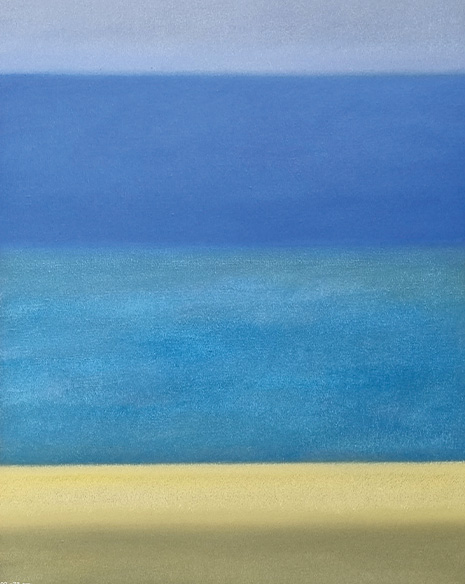
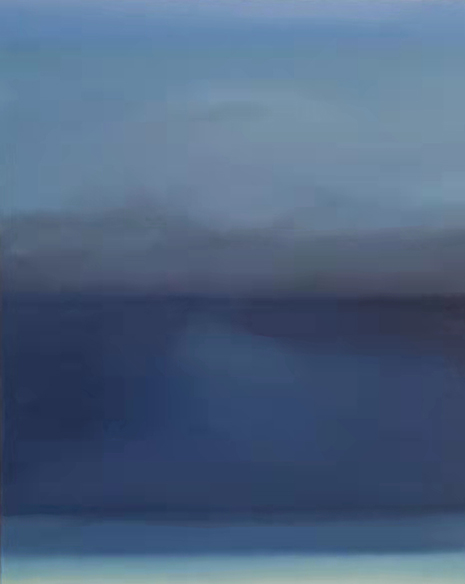
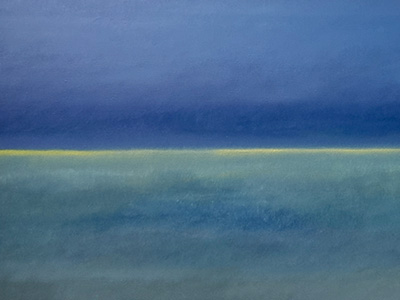
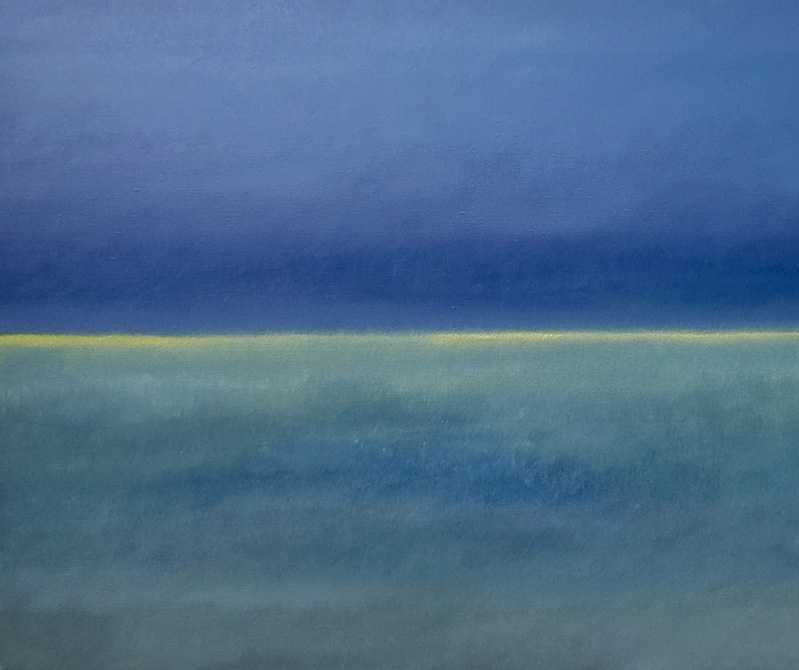
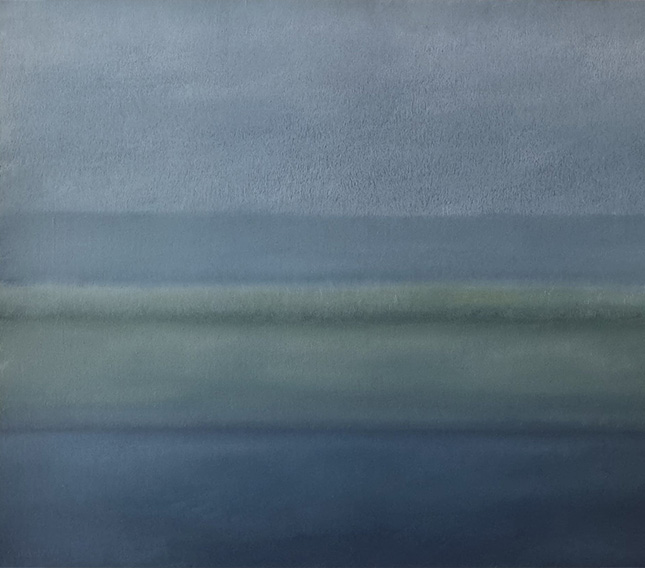
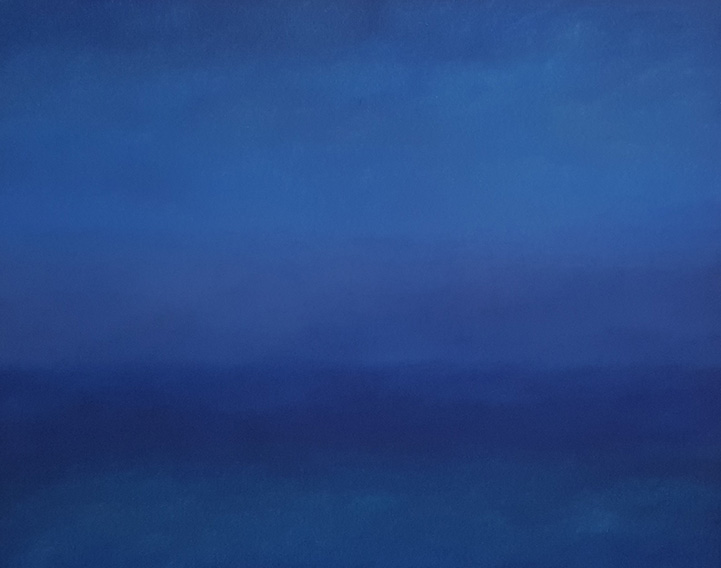
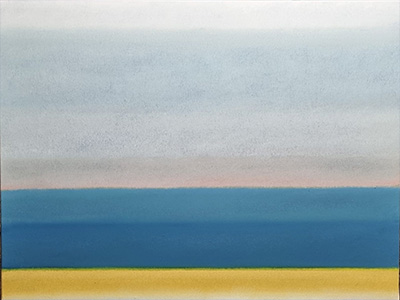
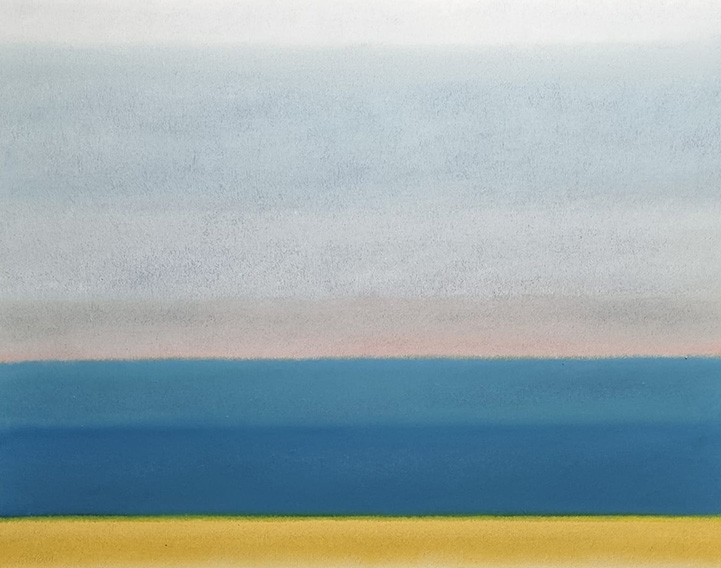
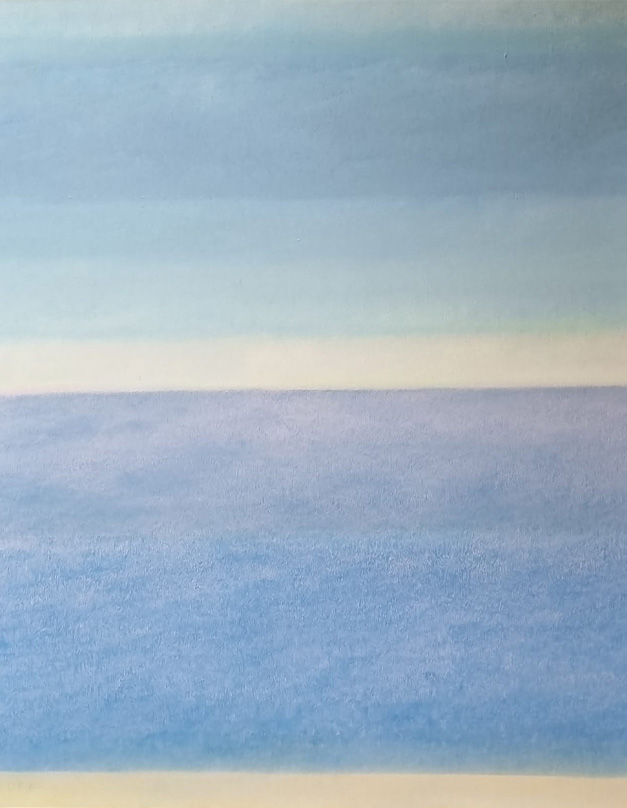
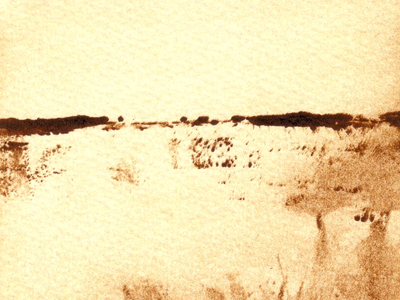
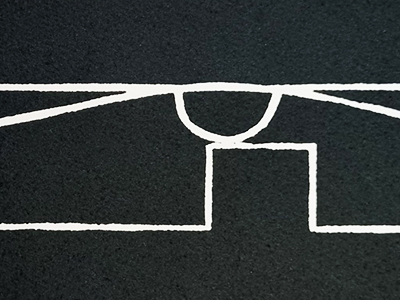
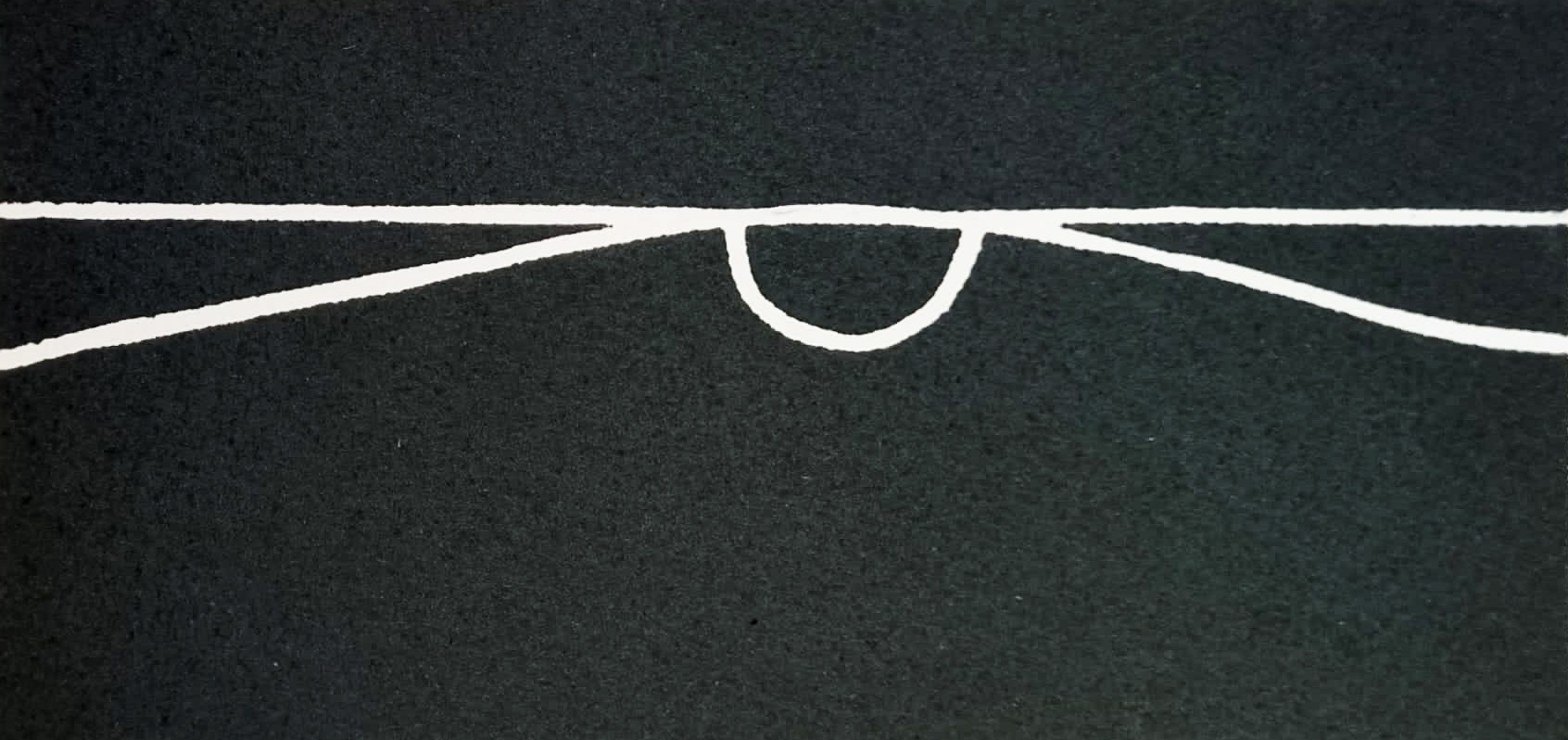
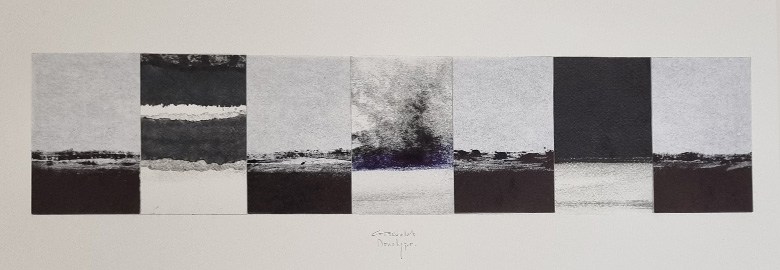
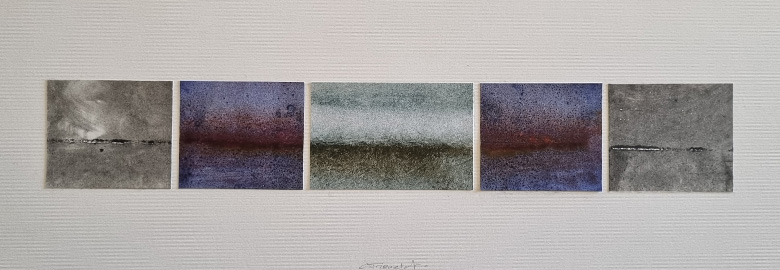
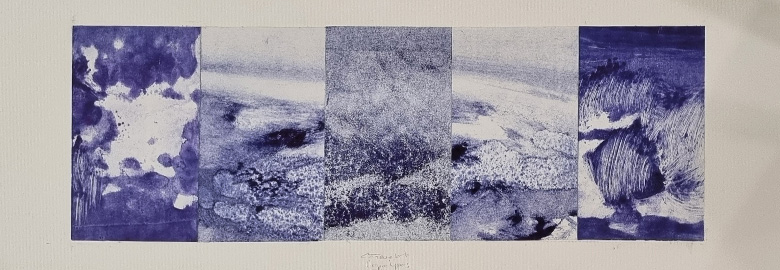
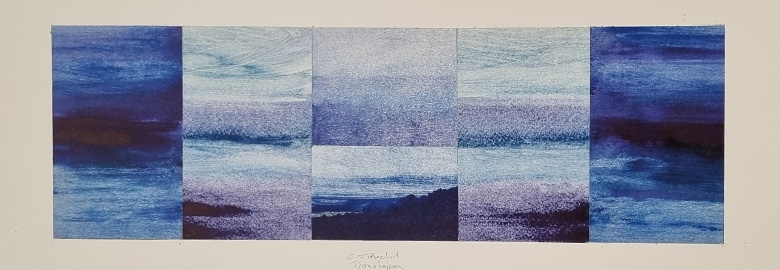
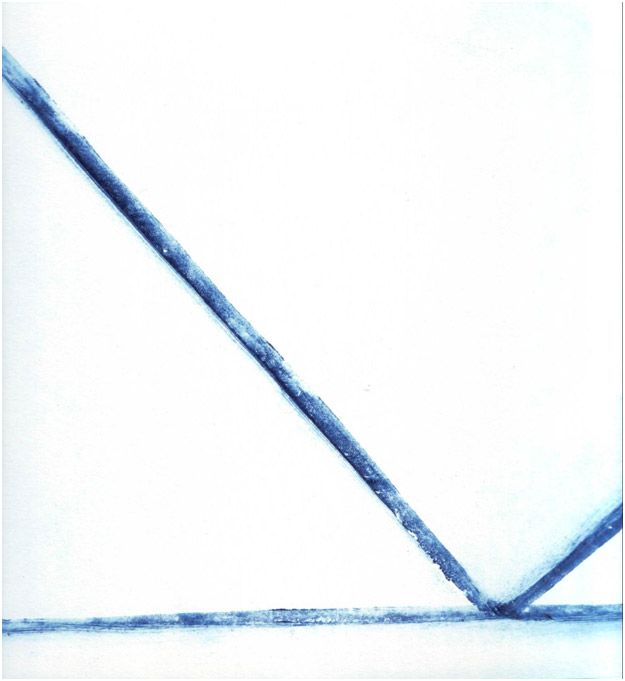
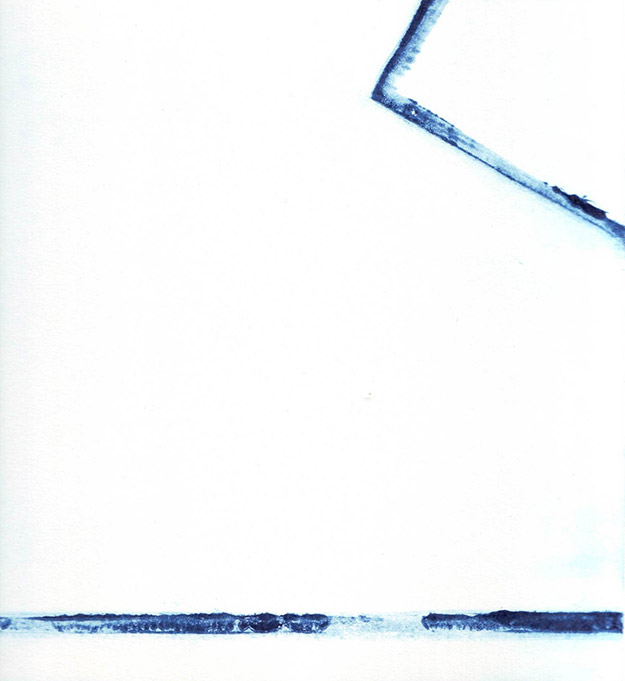
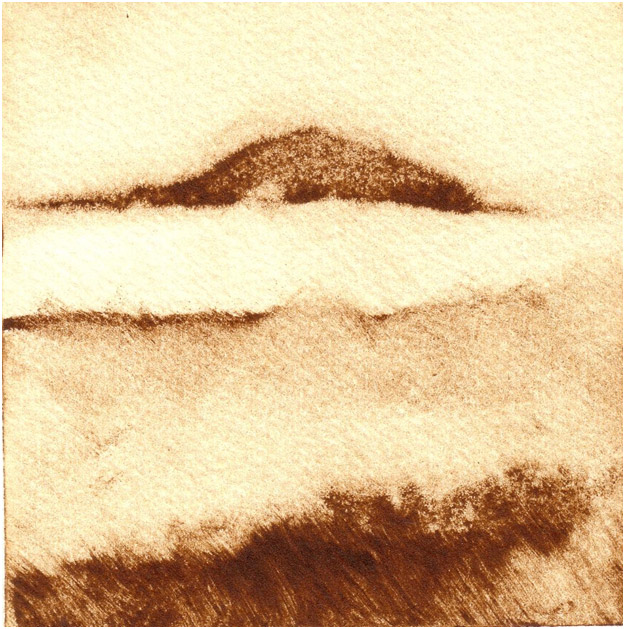
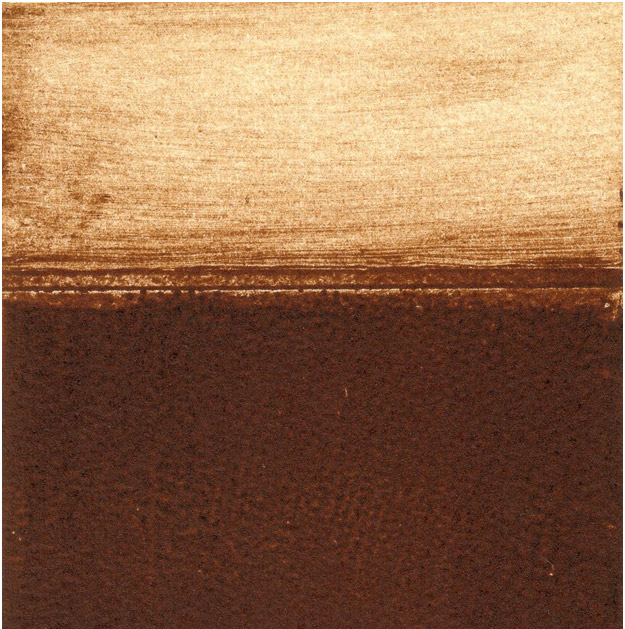
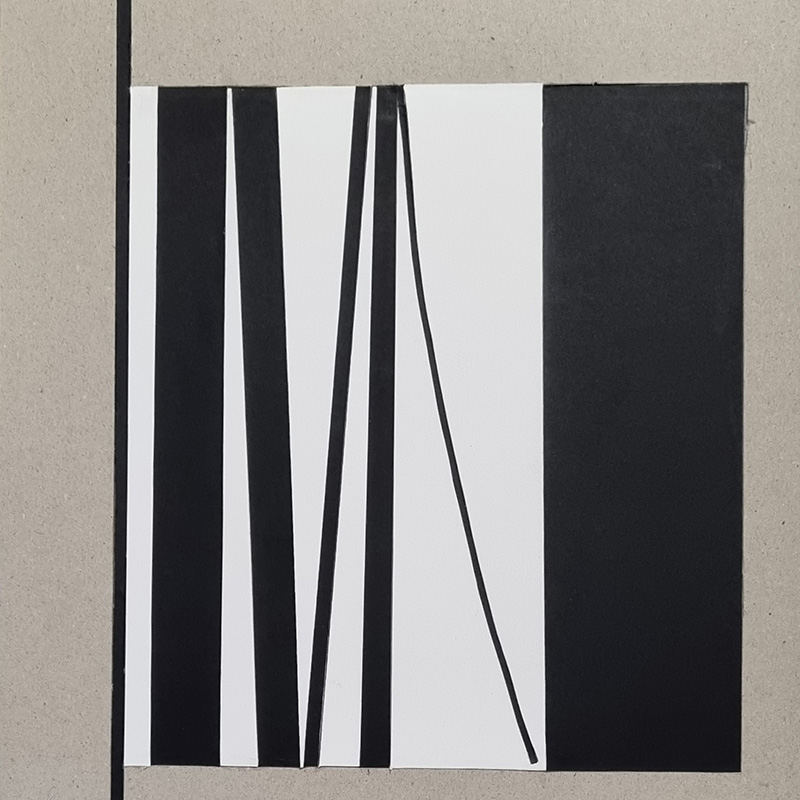
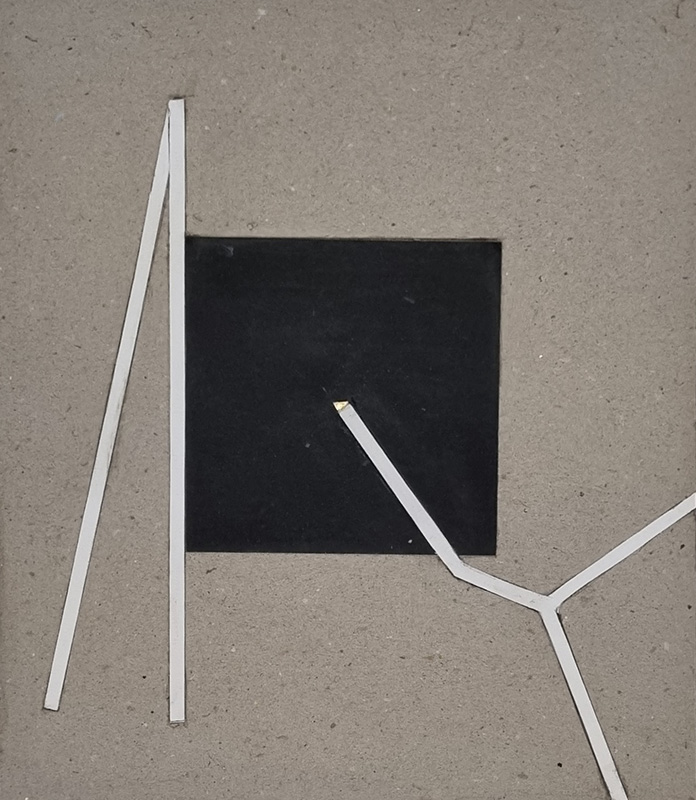
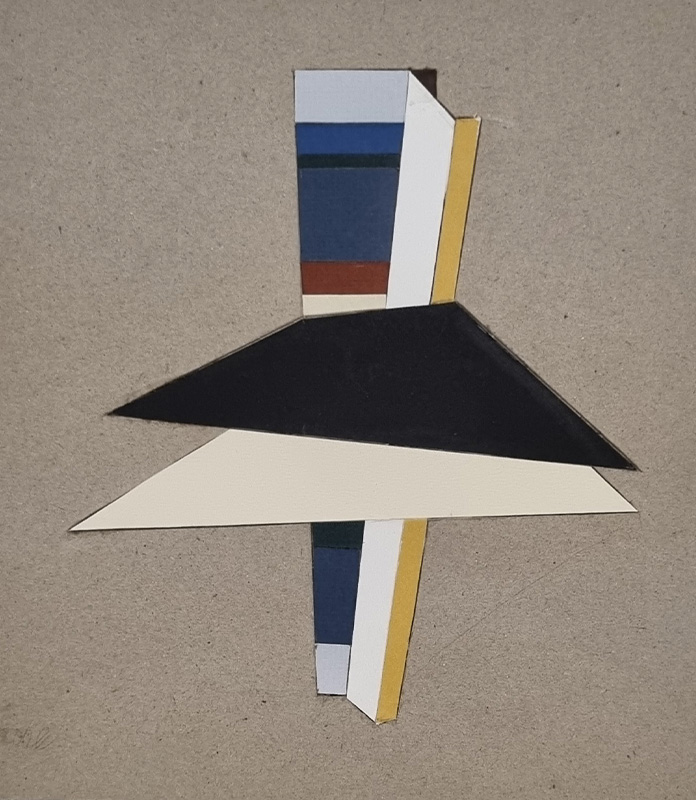
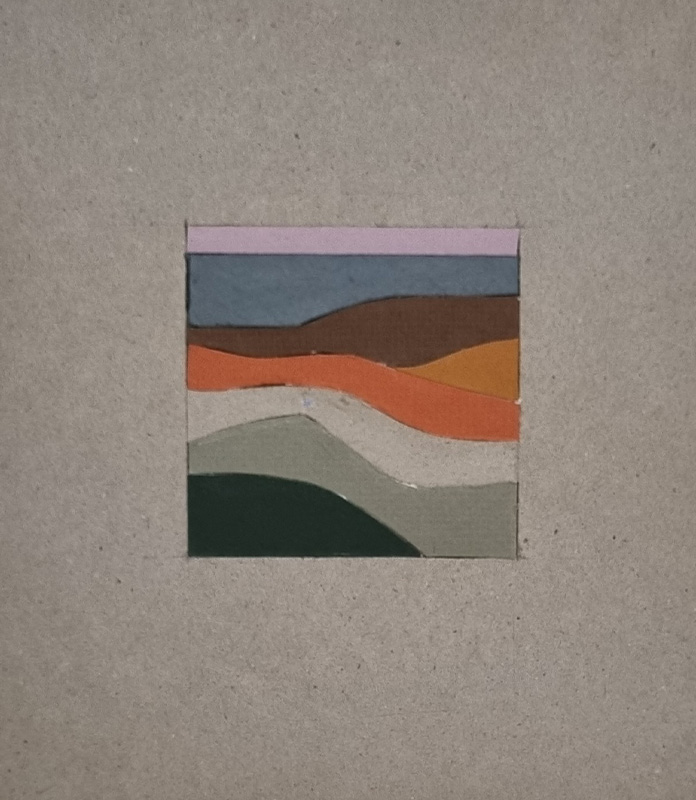
Et pourtant des objets du design aux premiers croquis en série, des monotypes dépouillés aux huiles
sur toile solaires, nous retrouvons enfin une respiration, une composition de l’espace qui fait
surgir le souffle, la chaleur, la profondeur, pour ne pas dire la splendeur des images ainsi
forgées, et c’est bien vers une épure que semble tendre toute la quête picturale de Loïc Trévelot
qui d’un néant d’où émergent forces, mouvements et vies, jaillissent, après le tamis du travail sur
la forme, silhouettes, paysages et visions. C’est bien donc, à travers le faire, le
poïeïn, selon le verbe grec ancien, qui dessine un même plan d’accomplissement pour tout le
champ de ces activités, toute une poétique à l’œuvre qui apparait alors où l’intime et le monde se
rejoignent, sans que l’on puisse clairement distinguer le visible et l’invisible, l’intérieur
et l’extérieur, le dedans et le dehors, mais où, bien au contraire, nous devinons
l’indiscernable d’un rapport poétique à l’univers, dans lequel chacun devient un minuscule
fétu de paille au cœur de l’immense sublime, tendu vers cet appel incessant vers l’ouverture,
quelles que soient les strates de recul ou d’avancée, les limites tracées ou effacées, les rayons ou
les radiations mêmes des paysages des couleurs, vers une ligne en pointillés toujours là sous les
yeux, et jamais atteinte ici aux regards : vers la ligne d’horizon…
Rémy Soual - Suite à une visite de l’atelier de Loïc Trévelot, le samedi 13 mars
2024.
Towards the horizon line
Draftsman, painter, sculptor, Loïc Trévelot seems to embody the sacred figure of the
demiurge, according to ancient Greek thought, as traced through his creations. In ancient
Greek, this word originally meant "skilled worker," later "creator," "producer." In Plato's
Timaeus, the term took on the meaning of the creator of the visible world, and among Greek
Christian authors, God the Creator of all things.
Without mystifying the process, the mythical mask of the demiurge seems fitting, in my view,
for Loïc Trévelot's body of work, spanning craftsmanship, art, and creation. It connects to an
entire aesthetic tradition of the creator as an intermediary between the visible and the invisible,
bringing forth, bringing in, and making things happen in the world. It also relates to a conceptual
revolution in the very status of the artist, as articulated in the theory of Art Brut that Jean
Dubuffet outlines in "L’homme du commun à l’ouvrage" (The Ordinary Man at Work). Like a
simple modern worker, yet also like the ancient Artisan of artisans, the god Hephaestus, it is the
creative activity that guides Loïc Trévelot's eye and hand: he draws, he colors, he forges, he
constructs, he creates. As the Latin proverb of wisdom expresses, "fabricando fit faber,"
meaning "it is by forging that one becomes a blacksmith"...
Thus, throughout his works, drawings, screen prints, monotypes, chairs, armchairs, volumes,
sculptures, and canvases, there emerges an entire personal alphabet specific to a unique language
that comes to life. Starting from the formless chaos of unbridled energies, it finds its way to the
shape of an Image, an elaborate sketch, from which a genuine sensory experience can be shared by
all. Aesthetics, as Jacques Rancière's concept suggests, is essentially the "distribution of the
sensible," appealing as much to the five senses as to senses understood as directions, sensations,
orientations. This precise meaning to be found in the engagement with the works would neither reside
in an imposed norm nor in an ideal of beauty.
And yet, from design objects to the initial series of sketches, from stripped-down monotypes to
sunlit oil paintings, we finally rediscover a breath, a composition of space that brings forth the
breath, the warmth, the depth, not to mention the splendor of the images thus forged. It is indeed
towards a refinement that Loïc Trévelot's entire pictorial quest seems to strive. From a void from
which forces, movements, and lives emerge, after the sifting of work on form, silhouettes,
landscapes, and visions spring forth. Thus, through the act of making, the "poïeïn,"
according to the ancient Greek verb, which delineates the same plan of fulfillment for the entire
field of these activities, a whole poetics at work emerges, where the intimate and the world
converge. Yet, we cannot clearly distinguish the visible from the invisible, the interior
from the exterior, the inside from the outside. Instead, we sense the indiscernible of a poetic
relationship with the universe, in which each becomes a tiny wisp of straw in the heart of the
immense sublime, reaching towards this incessant call to openness, regardless of the layers of
retreat or advancement, the delineated or erased boundaries, the rays or the very radiations of
landscapes of colors, towards a dotted line always there before our eyes, and never reached by our
gaze: towards the horizon line...
Rémy Soual - Following a visit to Loïc Trévelot's studio on Saturday, March 13,
2024
CONTACT
trevelot.loic@gmail.com